Efficient medical billing is critical for maintaining a healthy cash flow in US healthcare practices. Inefficient billing processes can lead to delayed reimbursements, denied claims, and unnecessary administrative costs. By optimizing billing workflows, healthcare providers can increase revenue, reduce errors, and improve patient satisfaction.
This guide explains how to implement efficient billing practices that maximize productivity and revenue.
Understanding Efficient Billing
Efficient billing is more than speed—it’s about accuracy, compliance, and workflow optimization. It ensures claims are submitted correctly, payments are collected promptly, and errors are minimized. A streamlined billing process benefits providers, billing teams, and patients alike, reducing disputes and administrative overhead.
Accurate Patient Registration: The First Step
Efficient billing begins at the front desk. Collecting accurate patient information—including demographics, insurance details, and financial responsibility—prevents claim rejections and reduces rework. Front-end efficiency sets the foundation for smooth claim processing throughout the revenue cycle.
Streamlined Insurance Verification
Verifying insurance coverage before the patient encounter saves time and prevents denied claims. Checking eligibility, deductibles, copays, coinsurance, and prior authorizations ensures both providers and patients understand financial responsibility upfront, minimizing delays in payment.
Clean Claim Submission
Submitting clean claims is central to efficient billing. Clean claims are error-free, correctly coded, and fully documented. Using electronic submission and claim scrubbing tools helps reduce denials, speeds up payer processing, and improves overall revenue cycle performance.
Best Coding Practices
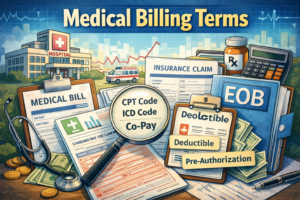
Accurate coding is essential for efficient billing. Using the correct ICD-10, CPT, and HCPCS codes ensures claims reflect the services provided and comply with payer rules. Regular staff training and updates on code changes improve accuracy and prevent costly errors.
Automated Payment Posting
Efficient billing incorporates automation wherever possible. Electronic Remittance Advice (ERA) and payment posting systems reduce manual entry errors and allow faster reconciliation of insurance and patient payments. Automation frees staff to focus on claim follow-up and denial resolution.
Denial Management and Prevention
Handling denied claims promptly is part of efficient billing. Identify the reason for denial, correct errors, and resubmit claims within payer deadlines. Tracking trends helps prevent future denials, optimizing workflow and increasing revenue recovery.
Timely Follow-Up on Unpaid Claims
Unpaid claims tie up revenue and increase accounts receivable (A/R) days. Efficient billing includes proactive monitoring of claim status and consistent follow-up with payers. Prompt follow-up ensures claims are paid in a timely manner, maintaining cash flow.
Leveraging Technology for Efficiency
Modern billing software, EHR integration, and claim management tools streamline workflows and improve accuracy. Automation reduces manual tasks, accelerates claim processing, and provides real-time insights into billing performance.
Continuous Process Improvement
Efficient billing requires regular review of workflows, metrics, and staff performance. Monitoring key performance indicators (KPIs) such as denial rates, clean claim percentages, and days in A/R helps identify bottlenecks. Implementing process improvements ensures long-term billing efficiency and financial stability.
Final Thoughts
Efficient billing is the key to faster reimbursements and healthier cash flow in US healthcare practices. By focusing on accuracy, automation, clean claims, and proactive follow-up, providers can reduce errors, prevent denials, and maximize revenue. Streamlined billing processes not only benefit the practice but also improve patient satisfaction by reducing billing confusion and delays.